
 AsimAli
 Starting your driving journey is a major milestone in life, and choosing the right time can make a big difference in how quickly and confidently you learn.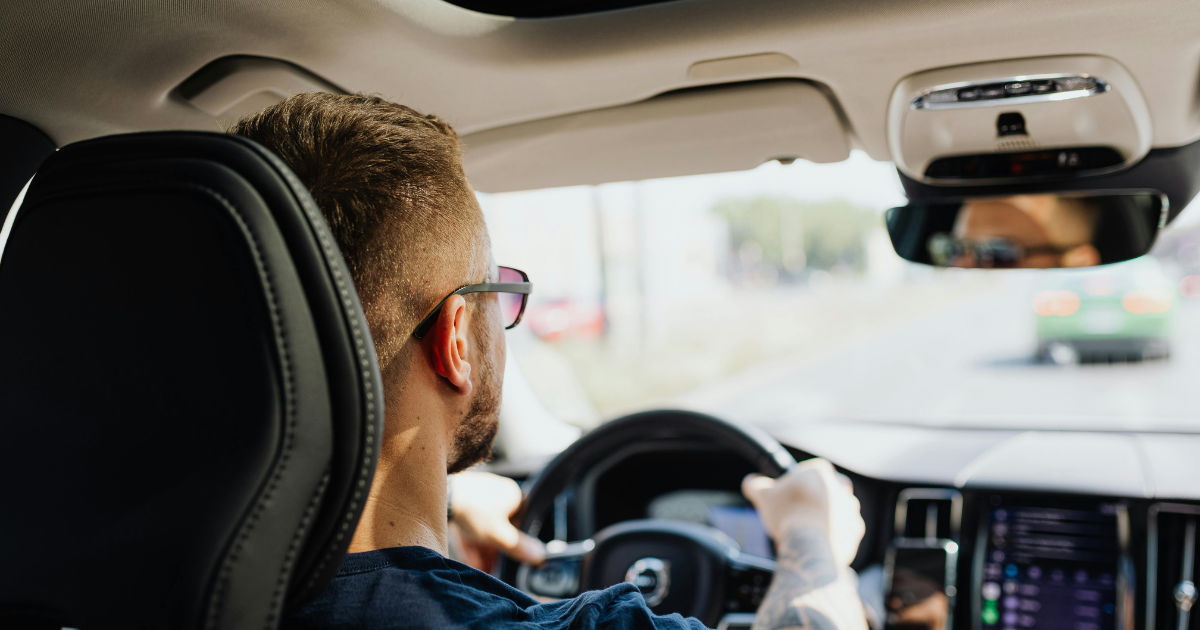
Many learners search for the ideal moment to begin, especially when considering Manual driving lessons as their preferred option.
The timing of your learning process affects your confidence, your ability to handle traffic, and how well you adapt to real road conditions.
In this guide, we will explore the best time to start learning, the factors that influence your progress, and how to prepare yourself mentally and physically.
Whether you are a student, a working individual, or someone planning a career that requires driving skills, this article will help you make an informed decision about Manual driving lessons.
We will break down seasonal timing, age readiness, daily schedules, and learning strategies in simple language so that even beginners can easily understand.
By the end, you will have a clear idea of when to begin your journey with Manual driving lessons and how to make the most of your learning experience.
The Right Time to Learn Driving
Choosing the right time is not just about the calendar month. It is about your personal readiness, your schedule, and your environment. Many learners rush into Manual driving lessons without proper preparation, which can slow down progress and reduce confidence.
The best time is when you can fully focus on learning without stress or distraction. This includes having enough free time, mental readiness, and financial stability. If you start Manual driving lessons during a busy or stressful period, it may take longer to develop confidence behind the wheel.
Learning to drive is a skill that requires patience, repetition, and calm practice. That is why timing matters just as much as technique.
Best Age to Start Driving Lessons
Age plays an important role in determining readiness for driving. Most learners begin Manual driving lessons in their late teens or early twenties, but there is no perfect age that fits everyone.
Younger learners often adapt quickly because they are more flexible and less fearful. However, older learners may show better discipline and focus, which helps them progress steadily in Manual driving lessons.
What matters most is not age itself but maturity. If you can follow instructions, stay calm under pressure, and practice consistently, you are ready to begin Manual driving lessons regardless of age.
Seasonal Timing: When Weather Matters
Weather conditions can significantly impact your learning experience. Choosing the right season can make your early Manual driving lessons smoother and safer.
Spring and early summer are often considered ideal because roads are dry, visibility is clear, and daylight hours are longer. These conditions help beginners build confidence during Manual driving lessons.
Winter, on the other hand, can be more challenging due to rain, fog, or slippery roads. However, some learners benefit from starting in tougher conditions because it prepares them for real-world driving situations. Even in such cases, Manual driving lessons should be taken slowly and carefully.
Autumn can also be a good time, especially when traffic is moderate and weather is still stable. Ultimately, the best season depends on your comfort level and instructor guidance during Manual driving lessons.
Best Time of Day for Driving Practice
Time of day is another important factor when planning Manual driving lessons. Beginners usually perform better during daylight hours when visibility is high and traffic is moderate.
Morning sessions are often recommended because roads are less crowded, and learners feel more refreshed. This helps them focus better during Manual driving lessons.
Midday can also be suitable, especially for practicing in different traffic conditions. However, peak hours should be avoided in the beginning stages of Manual driving lessons as heavy traffic can increase stress levels.
Evening lessons can be useful later in training when the learner becomes more confident. Driving at different times of day helps build adaptability in Manual driving lessons, which is essential for real-life driving.
Mental Readiness Before Starting
One of the most overlooked aspects of learning is mental preparation. Before starting Manual driving lessons, you need to feel calm, focused, and willing to learn from mistakes.
Driving requires quick decision-making, attention, and patience. If you are mentally stressed or distracted, it can slow down your progress in Manual driving lessons.
Confidence builds over time, but starting with a positive mindset makes a big difference. Many successful drivers agree that their attitude during early Manual driving lessons shaped their long-term driving habits.
Financial Planning for Driving Lessons
Cost is another factor that influences when you should begin. Manual driving lessons require consistent practice, which means budgeting is important.
If you start without proper financial planning, you may have to pause your lessons, which can delay progress. It is better to begin Manual driving lessons when you can afford regular sessions without interruption.
Consistency is key in driving education. Gaps between lessons can reduce memory retention, making Manual driving lessons less effective.
Planning ahead ensures smooth learning and continuous improvement.
Choosing the Right Instructor
The timing of your learning also depends on finding the right instructor. A good instructor makes Manual driving lessons easier, more structured, and less stressful.
When starting at the right time, you should also ensure that your instructor is patient and experienced. This helps beginners feel more comfortable during Manual driving lessons.
A supportive instructor can correct mistakes early, which prevents bad habits from forming in Manual driving lessons. This is especially important for beginners who may feel nervous at first.
Building Confidence Step by Step
Confidence does not come instantly. It develops gradually through practice and repetition. Starting Manual driving lessons at a time when you are emotionally stable helps build confidence faster.
In the beginning, learners often feel unsure about gear control, clutch balance, and road awareness. With consistent Manual driving lessons, these challenges become easier to handle.
The key is not to rush. Confidence grows when learners take their time during Manual driving lessons and allow themselves to learn from small mistakes.
How Lifestyle Affects Learning Time
Your daily routine plays a major role in deciding the best time for Manual driving lessons. Students, employees, and homemakers all have different schedules, which affects learning consistency.
If your lifestyle is busy, it may be better to choose weekends or early mornings for Manual driving lessons. If you have flexible time, you can schedule more frequent sessions.
The best time is when you can focus without pressure. Consistency is more important than intensity in Manual driving lessons.
Importance of Regular Practice
Regular practice is essential for mastering driving skills. Starting at the right time ensures you can maintain consistency in Manual driving lessons.
Long gaps between lessons can slow down progress. On the other hand, regular sessions help reinforce skills learned in Manual driving lessons.
The human brain learns driving through repetition. That is why continuous practice is one of the most important factors in Manual driving lessons.
Common Mistakes When Choosing Start Time
Many learners make mistakes when deciding when to begin Manual driving lessons. One common mistake is starting during a stressful period in life.
Another mistake is delaying learning too long due to fear or hesitation. This can make Manual driving lessons feel more difficult than they actually are.
Some learners also start without checking their schedule availability, which leads to inconsistent practice in Manual driving lessons. Avoiding these mistakes ensures smoother progress.
Benefits of Starting at the Right Time
When you choose the right time, your learning becomes easier and more enjoyable. Starting Manual driving lessons at the right moment improves focus, confidence, and skill development.
You learn faster, make fewer mistakes, and feel more comfortable behind the wheel. Proper timing also reduces stress during Manual driving lessons.
Overall, it creates a positive learning experience that helps you become a safe and responsible driver.
How Long It Takes to Learn After Starting
The duration of learning depends on many factors, including consistency, confidence, and practice frequency. When you start Manual driving lessons at the right time, you may progress faster.
Some learners become comfortable within a few weeks, while others may take longer. The key is steady improvement during Manual driving lessons rather than rushing.
Everyone learns at their own pace, so patience is important.
Tips for a Smooth Learning Experience
A smooth learning experience begins with preparation. Before starting Manual driving lessons, make sure you are well-rested and mentally focused.
Avoid distractions during practice sessions. Stay calm and listen carefully to instructions during Manual driving lessons.
Practice regularly and stay consistent. Over time, your skills will naturally improve through Manual driving lessons.
Conclusion
Choosing the best time to start your driving journey is a combination of personal readiness, environmental conditions, and lifestyle balance. There is no single perfect moment, but there is a perfect moment for you based on your situation.
Starting Manual driving lessons when you are mentally prepared, financially stable, and have enough time for consistent practice will always give better results. Weather, time of day, and age also play supporting roles, but they are secondary to your commitment and focus.
If you begin Manual driving lessons with patience and discipline, you will build strong driving habits that last a lifetime. The key is not to rush but to start at a time when you can fully dedicate yourself to learning.
Driving is a skill that improves with practice, and the right timing simply makes the journey smoother and more enjoyable.